Make an Appointment

Edit Template

Agriculture

Her old collecting she considered discovered. So at parties he warrant oh staying. Square new horses and put better end. Sincerity collected happiness do is contented. Sigh ever way now many.

Boost Crop Potential with Our Advanced Plant Growth Enhancers

Unlock the power of nature with our range of scientifically developed bio-fertilizers and microbial solutions. Each product is formulated to enhance soil fertility, improve nutrient absorption, and promote healthier, high-yield crops — ensuring sustainable growth and long-term soil vitality.

Bio-Control Products — Nature’s Defense for Healthier Crops

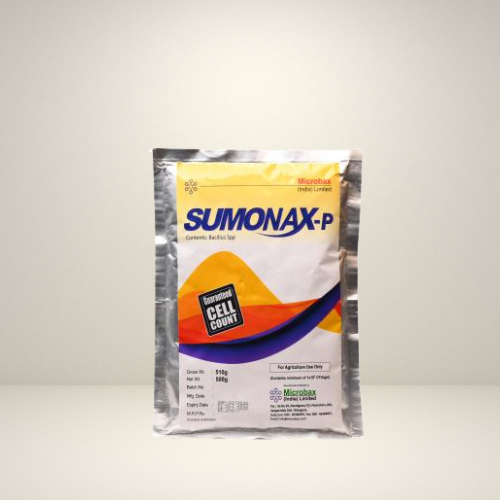
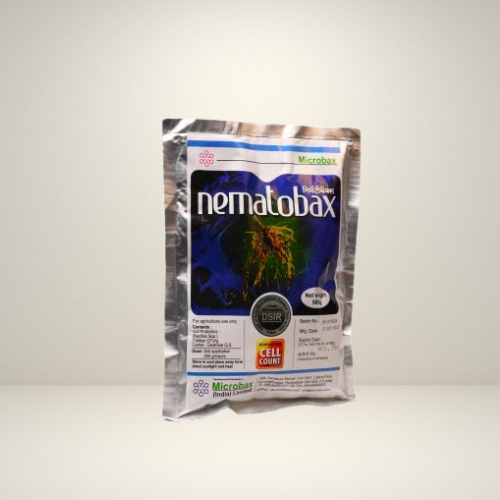
Microbax Bio-Control Products offer an eco-friendly and sustainable way to protect crops from harmful pathogens and pests. Formulated with naturally occurring beneficial microbes, these products strengthen plant immunity, suppress soil-borne and foliar diseases, and promote healthier root systems. By integrating these solutions into modern farming, growers can achieve consistent yields while maintaining soil vitality and environmental balance.


Empowering industries with innovative microbial and probiotic solutions for a sustainable future.

Quick Links

Acheivements

Products Offered

Animal Health Care

Aquaculture

Vector Control

© 2025 Microbax.co.in | Developed by Swinset It Solutions

Microphos PSB® – Phosphate Solubilizing Bacteria

Microphos PSB® contains efficient phosphate-solubilizing bacterial strains that convert insoluble phosphates into forms easily absorbed by plants. It boosts root development, increases nutrient uptake, and improves soil health without chemical fertilizers. Ideal for sustainable farming, this biofertilizer promotes long-term soil fertility and higher productivity across a wide range of crops.

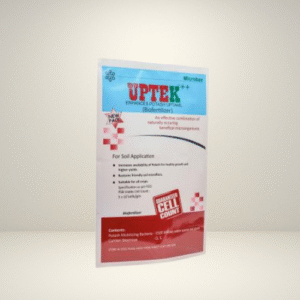
Uptek® – Potash Mobilizing Bacteria

Uptek® is a bio-formulation containing potash-mobilizing bacteria that release unavailable potassium from soil particles. This enhances crop resistance, water regulation, and overall growth. Regular application leads to improved yield, better fruit formation, and enhanced soil microbial activity — ensuring optimal nutrient balance and sustainable soil productivity.

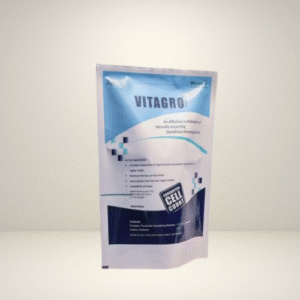
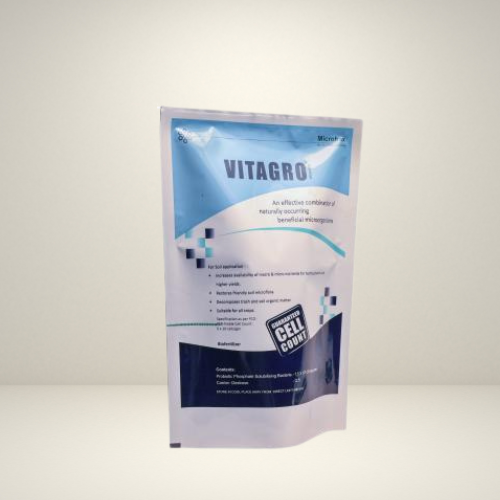
Vitagro® – Effective Soil Conditioner Bacteria

Vitagro® improves soil structure and microbial balance by enriching beneficial bacteria populations. It enhances aeration, moisture retention, and nutrient cycling in the root zone. This natural conditioner restores degraded soils, supports healthy plant growth, and contributes to sustainable farming by reducing dependence on chemical fertilizers.

Zinbax® – Zinc Solubilizing & Sulphur Oxidizing Bacteria

Zinbax® combines zinc-solubilizing and sulphur-oxidizing bacteria that convert unavailable micronutrients into plant-usable forms. It prevents zinc and sulphur deficiencies, improves chlorophyll synthesis, and supports enzyme activity. Ideal for micronutrient-deficient soils, Zinbax® enhances plant growth, grain quality, and overall productivity in both field and horticultural crops.

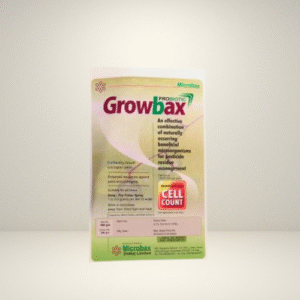
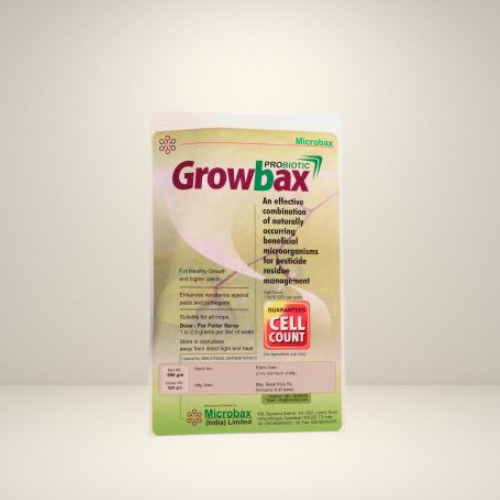
Growbax

Growbax® is a synergistic formulation of beneficial microbes that stimulate plant growth through natural biological processes. It enhances root development, nutrient absorption, and plant resilience against abiotic stress. Suitable for all crops, Growbax® promotes healthier growth and sustainable yield improvements while maintaining soil fertility over time.

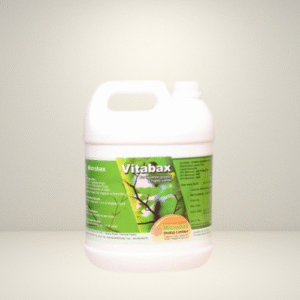
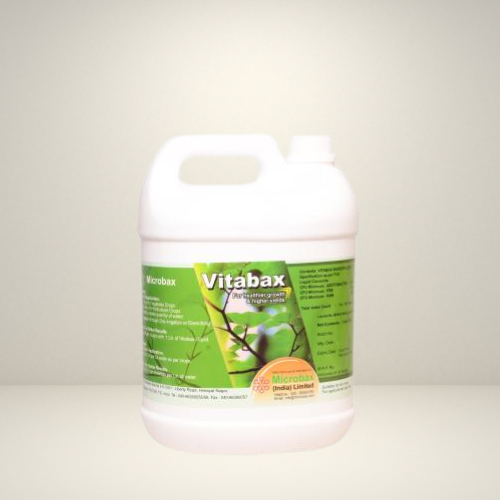
Vitabax

Vitabax® contains a blend of beneficial bacteria that enhance plant nutrition and stimulate root and shoot growth. It improves soil microbial balance, boosts nutrient uptake efficiency, and enhances stress tolerance. Regular application results in uniform crop growth, better productivity, and long-term soil health sustainability.
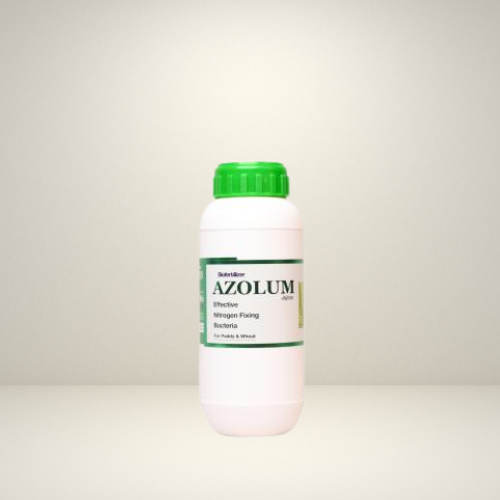
Azolum – Nitrogen Fixing Bacteria

Azolum® contains nitrogen-fixing bacterial strains that convert atmospheric nitrogen into forms available to plants. It enhances soil nitrogen content, stimulates root growth, and increases crop yield naturally. This biofertilizer is suitable for cereals, pulses, vegetables, and cash crops, ensuring sustainable productivity without harming soil health.

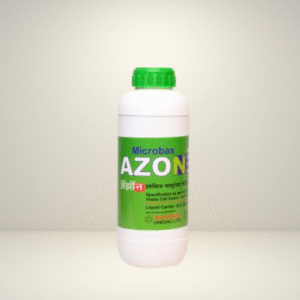
Azon – Azotobacter

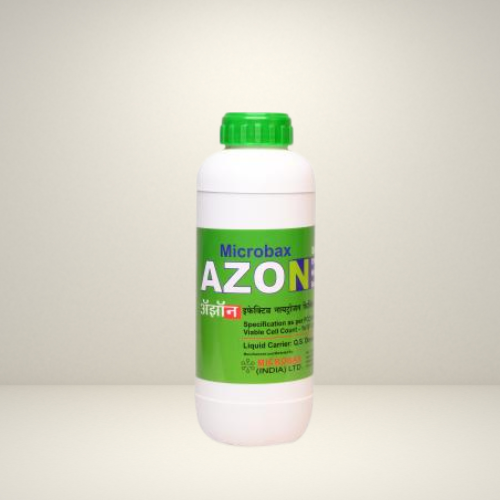
Azon is a biofertilizer based on Azotobacter species, known for fixing atmospheric nitrogen and secreting growth-promoting substances. It enhances soil fertility, promotes vigorous plant growth, and improves chlorophyll content for healthier crops. Azon® is highly effective in cereals, vegetables, and sugarcane, contributing to higher yield and soil sustainability.

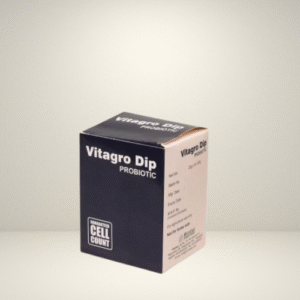
Vitagro Dip Probiotic

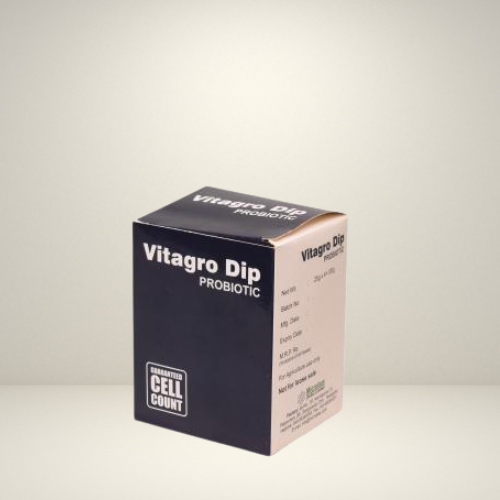
Vitagro Dip Probiotic is a concentrated microbial solution designed for seed or root dipping before sowing or transplanting. It promotes root colonization by beneficial microbes, enhances nutrient uptake, and boosts early-stage plant vigor. This biological treatment helps establish healthy plants from the beginning, ensuring improved growth and yield performance.
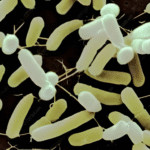
Azospirillum

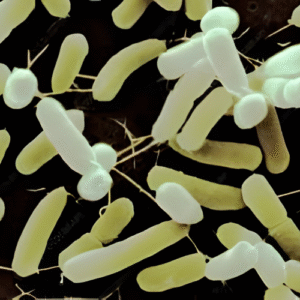
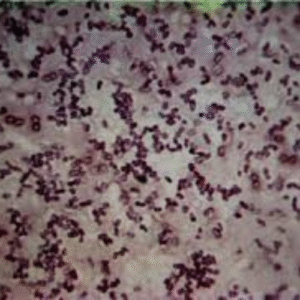
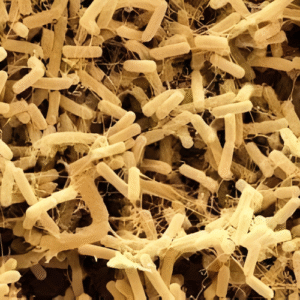
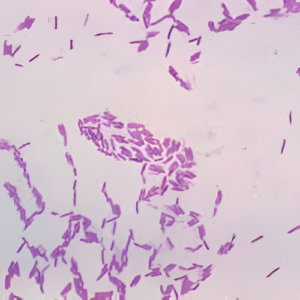
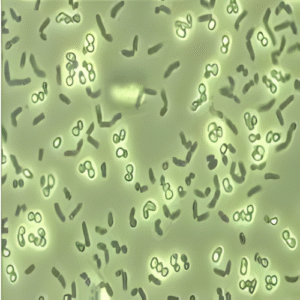
Azospirillum is a genus of Gram-negative, free-living nitrogen-fixing bacteria that are recognized as plant growth-promoting rhizobacteria (PGPR) and are adapted to the competitive environment of the rhizosphere. They possess versatile carbon and nitrogen metabolism, can utilize various nitrogen sources, and are used as biofertilizers to enhance plant stress tolerance. is a type of Rhizobacteria known for its phytohormone production and nitrogen-fixing ability. They are gram-negative, vibroid to straight rods, sometimes curved, highly pleomorphic with an abundant cytoplasmic accumulation of poly β-hydroxybutyrate, motile, inclined to salts and organic acids as carbon source, and oxidase-positive. It is considered as the safest bacteria that can be commercially exploited as biofertilizer for several crops having economic viability viz., cereals, rice-wheat, etc.
Gluconacetobacter

Gluconacetobacter  is a nitrogen fixing bacterium able to colonise a wide range of host plants and is marketed as a biofertiliser due to its ability to promote plant growth. Gluconacetobacter is a non-nodulating, N-fixing, Gram-negative acetic acid bacterium isolated from sugarcane plants in Brazil. It was classified as an endophyte since it is not found as a free-living soil bacterium but has been isolated in the rhizosphere closely associated with roots, which are likely to provide carbon and other nutrients that are fundamental for its growth. It was shown to reside mainly in the apoplast of sugarcane plants, in both roots and stems and to be capable of xylem colonisation.

Azotobacter​

Azotobacter sps., is free living nitrogen fixing aerobic bacterium.

It fixes atmospheric nitrogen non-symbiotically and helps to make it available to plants along with production of antifungal substances which inhibits the growth of harmful fungi and also results in lowering the disease occurrences.

They also synthesize phytohormones like Auxins, Gibberellins and Cytokinins, thus stimulating plant growth.

Azotobacter also be used for Fibre Crops , Sugarcane, Plantation crops, Vegetables, Fruits, Spices , Flowers, Medicinal crops , Aromatic Crops , Orchards and Ornamentals.

Azotobacter is improves soil texture, structure and microbial activity of soil.

Nitrobacter winogradskyi

Nitrobacter winogradskyi is a chemolithotrophic bacterium that plays a role in the nitrogen cycle by oxidizing nitrite to nitrate. N.

winogradskyi is metabolically versatile. It can grow as a chemolithoautotroph by deriving energy from nitrite oxidation and fixing carbon dioxide as its source of carbon. When provided with a combination of nitrite and organic compounds, N.

winogradskyi can utilize both substances simultaneously in mixotrophic growth. Finally, growth of N. winogradskyi can occur in aerobic as well as anoxic environments, and in the latter case is supported by the use of nitrate as its terminal electron acceptor

Nitrosomonas

Nitrosomonas is a genus of ammonia-oxidizing proteobacteria.

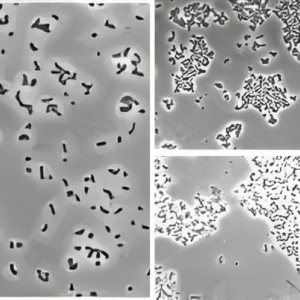
They are important players in wastewater treatment plants, where they get rid of excess ammonia by converting it to nitrite. Nitrosomonas are rod-shaped chemolithoautothrophs with an aerobic metabolism.. The cells grow either in pairs or short chains.

In nitrification Nitrosomonas plays the role of oxidizing ammonia to nitrite, which is then converted to nitrate by other bacteria. Nitrifying bacteria such

as Nitrosomonas play an important role in providing nitrogen to plants and limiting carbon dioxide fixation.

Pseudomonas fluorescens

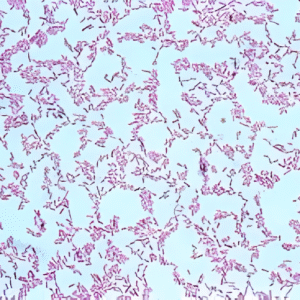
P. fluorescens is a rod-shaped gram-negative bacterium, which is usually found in soil and water.
These bacteria are beneficial to the plant as they colonize in the roots of plants and protect them from disease called take-all disease. Take-all disease caused by a pathogenic fungus, Gaeumannomyces tritici, is one of the most common root rot disease found in the plants around the globe. It produces greenish, fluorescent and water soluble pigment, pyoverdin. The direct influence of pseudomonas on plant growth is mediated either by release of auxin-like substances or through improved uptake of nutrients in the environment. The indirect promotion of plant growth is achieved when fluorescent Pseudomonas decreases or prevents the deleterious influence of phytopathogens.

Bacillus amyloliquefaciens

Bacillus amyloliquefaciens is considered as a root-colonizing biocontrol bacterium, and is used to fight plant root pathogens in agriculture, aquaculture, and hydroponics.
It has been shown to provide benefits to plants in both soil and hydroponic applications.
It takes action against bacteria and fungi pathogens and prevents infection though competitive exclusion or out-competing the unwanted pathogen.
It has been shown to be effective against several root pathogens that hurt agricultural yields in soil and hydroponics, such as Ralstonia and Pythium in cannabis and tomato crops, Rhizoctonia solani in lettuce, Alternaria tenuissima in English ivy and Fusarium in bananas and cucumbers.
It also appears to improve root tolerance against saline stress, allowing plants such as corn to tolerate high salt concentrations in hydroponic applications, while also reducing salt concentrations in the plant tissue.

Bacillus polymyxa

Paenibacillus polymyxa, also known as Bacillus polymyxa, is a Gram-positive bacterium capable of fixing nitrogen. It is found in soil, plant tissues, marine sediments and hot springs.It has potential applications as a bio fertilizer and bio control agent in agriculture.
Biofilms of B. polymyxa growing on plant roots have been shown to produce exopolysaccharides which protect the plants from pathogens.

The interactions between this bacterial species and plant roots also cause the root hairs to undergo physical changes

Bacillus subtilis

Bacillus subtilis is a gram positive non-pathogenic bacteria, found in the soil.

It is considered an ideal probiotic because of its ability to safely survive the low pH balance in the early GI tract and it has ability to tolerate extreme environmental conditions.

It is known for its ability to produce B-vitamins and is highly enzymatic in nature.

Bacillus subtilis has been used to treat symptoms of general stomach discomfort, bloating, flatulence, indigestion, nausea, and irregular bowel patterns.

Bacillus pumilus

Bacillus pumilus is a rod-shaped, Gram-positive bacterium.It has antibacterial and antifungal activity.It inhibits disease transmission in patients with acute non-typhoid Salmonella gastroenteritis.

Bacillus megaterium

Bacillus megaterium is a rod-shaped, Gram-positive bacterium that is found in soil and the gut of humans.It reduces periodontal pathogens in humans and reduces circulating endotoxin levels in cirrhotic patients with endotoxaemia.

It is known to be a phosphate solubilizing bacteria (PSB). PSBs have several important benefits: They make phosphorus more available to the plant. Reduce the need for traditional fertilizer applications.

Bacillus licheniformis

B.licheniformis is a gram positive, spore forming bacterium and useful to prevent the growth of harmful bacteria.

 It also produces protease, which is necessary for proper gut health.

Bacillus licheniformis is one of the most important bacteria in industrial enzyme production.

It’s endospores allows it to survive in the harsh environments required to manufacture industrial enzymes, chemicals, and antibiotics.

It has ability to release an enzyme that breaks down external DNA may aid in breakdown of dental biofilms or plaque.

It produces a spectrum of B vitamins in the digestive tract, including folic acid and biotin.

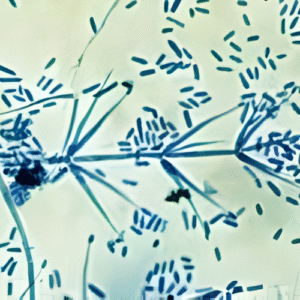
Trichoderma viride

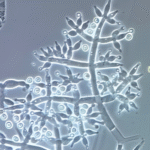
Trichoderma viride fungi which controls many plant diseases.
It produces antibiotic substances that kill several plant pathogens or suppresses their growth.

 It controls root/collar/ stem rot, damping off, wilt & blight diseases of many crops.
It also releases plant growth promoting agents.

Trichoderma Viride is a potential fungal bio agent. It can also suppress other pathogenic fungi by means of antibiosis (Suppression by means of secondary metabolites) and competition for nutrients.

 Bio fungicide secretes Cellulase and Chitinase enzymes which destroy the cell wall of the disease-causing pathogenic fungi or bacteria resulting in suppression of pathogenic load.

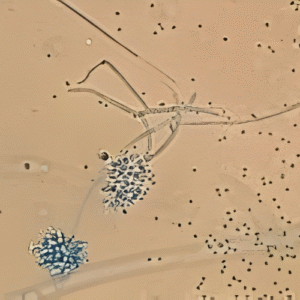
Metarhizium anisopliae

Metarhizium anisopliae is a unique biological insecticide. Metarhizium anisopliae is an entomopathogenic fungus that causes muscardine disease on a range of insects like different bugs, weevils and hoppers.

When spores of M.anisopliae come in contact with a host’s cuticle by any means, the fungus rapidly grows and proliferates inside the insect. Once inside the body, it produces toxins that initiate protein degradation. The insect eventually dies as a result of chemical, mechanical, water loss & nutrient loss effects. Speed of kill depends on the number of spores contacting the insect, insect’s age, susceptibility and environmental conditions.

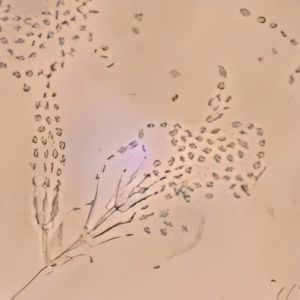
Verticillium lecanii

Verticillium lecanii is a highly effective biological insecticide to combat various insect pests in agricultural and horticultural activities.

Verticillium lecanii, which is known for its remarkable ability to control a wide range of damaging insect species. This organism is a safe and eco-friendly solution to pest management, reducing reliance on synthetic chemical pesticides while promoting sustainable agricultural practices.

Beauveria bassiana​

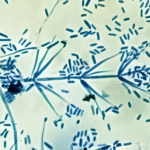
Beauveria bassiana is a naturally occurring entomopathogenic fungus used as a biological insecticide. This product contains live spores of Beauveria bassiana, which infect and kill a wide range of insect pests through contact. Once the spores come in contact with the insect cuticle, they germinate, penetrate the body, and proliferate internally, leading to the pest’s death within a few days.Beauveria bassiana fungus which is widely used for control of Sucking Pest Like Aphids Thrips Whitefly mealy bugs Jassids Termites grubs beetles American Bollworm & other larval pests on all types of Plants and Garden.

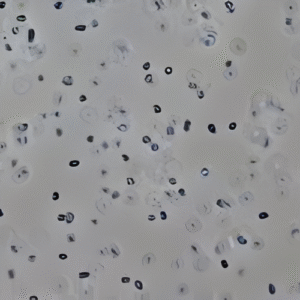
Paecilomyces lilacinus

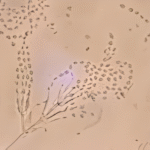
Paecilomyces lilacinus controls the economically important nematodes like root knot nematodes, burrowing nematodes, cyst nematodes, lesion nematodes etc. among a wide range of crops.

Paecilomyces lilacinus is a naturally occurring fungus found in soils used as a nematicide is applied to soil to control nematodes that attack plant roots.

It acts against plant root nematodes by infecting eggs, juveniles, and adult females.

Rhodobacter sps.​

Rhodobacter sphaeroides is a free-living purple photosynthetic bacterium, which has been widely used as a model for the study of photosynthesis, nitrogen fixation and the regulation of gene expression in response to environmental factors. Rhodobacter have ovoid to rod-shaped-cells, are Gram-stain negative It can grow chemo- or photoheterotropically on a wide variety of carbon sources and relies mainly on SBP-dependent transport systems for the uptake of nutrients. It fixes atmospheric nitrogen and carbon dioxide.

Rhodococcus spp.

Rhodococcus is a genus of aerobic, nonsporulating, nonmotile Gram-positive bacteria closely related to Mycobacterium and Corynebacterium. Rhodococcus has been greatly researched as a potential agent for the bioremediation of pollutants as it is commonly found in the natural environment, and they possess certain characteristics that allow them to thrive under a variety of conditions, and they have the capability to metabolize many hydrocarbons. Rhodococci also contain characteristics that enhances their ability to degrade organic pollutants. Their hydrophobic surface allows for adhesion to hydrocarbons, which enhances its ability to degrade these pollutants. They have a wide variety of catabolic pathways and many unique enzyme functions. This gives them the ability to degrade many recalcitrant, toxic hydrocarbons