Promoting healthier aquatic environments with reliable, research-driven probiotic solutions for water quality and species wellbeing.
Advanced Probiotics for Aqua Health & Water Quality
Our aqua probiotics enhance water clarity, support nutrient cycling, and improve the overall health of aquatic species. Designed to stabilize the microbial ecosystem, these formulations help maintain balanced water conditions for sustainable aquaculture performance.
Rhodobacter spp.
Improves water stability and nutrient cycling by enhancing beneficial microbial activity in aquaculture environments.
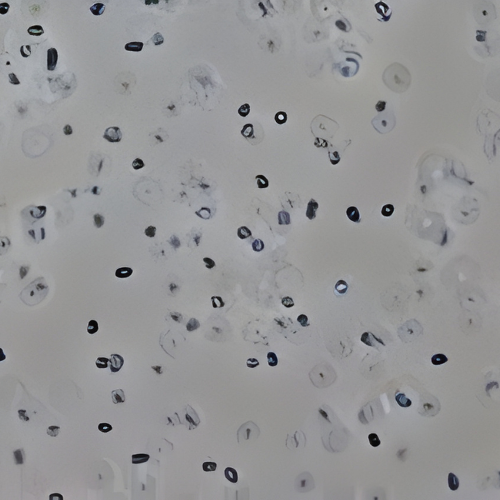
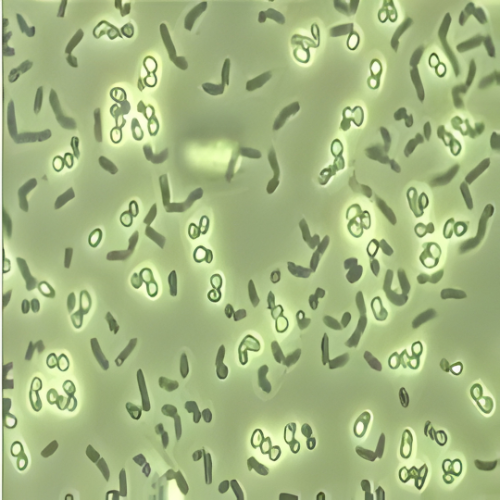
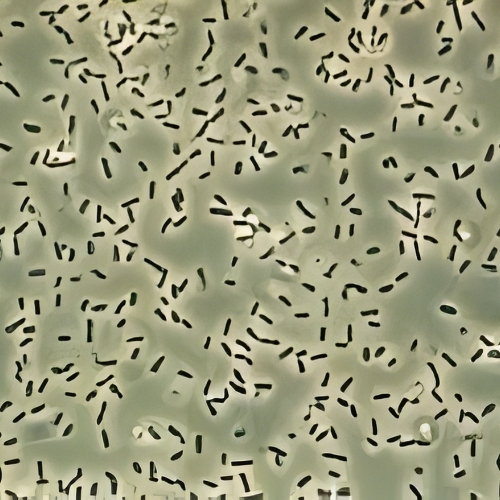
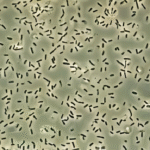
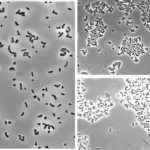
Rhodobacter sphaeroides is a free-living purple photosynthetic bacterium, which has been widely used as a model for the study of photosynthesis, nitrogen fixation and the regulation of gene expression in response to environmental factors. Rhodobacter have ovoid to rod-shaped-cells, are Gram-stain negative It can grow chemo- or photoheterotropically on a wide variety of carbon sources and relies mainly on SBP-dependent transport systems for the uptake of nutrients. It fixes atmospheric nitrogen and carbon dioxide.
Bacillus subtilis
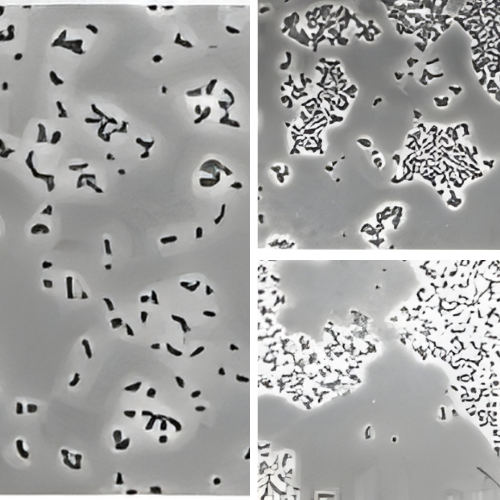
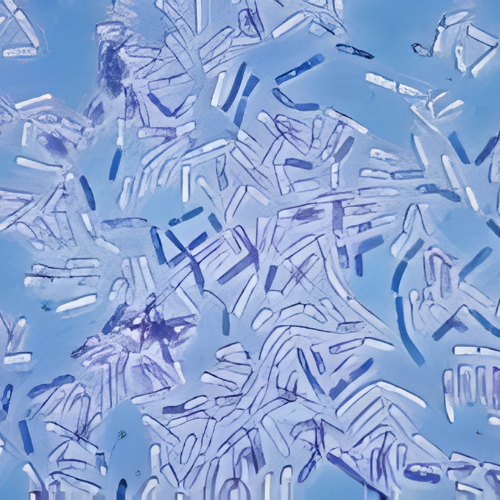
Bacillus subtilis is a gram positive non-pathogenic bacteria, found in the soil.
It is considered an ideal probiotic because of its ability to safely survive the low pH balance in the early GI tract and it has ability to tolerate extreme environmental conditions.
It is known for its ability to produce B-vitamins and is highly enzymatic in nature.
Bacillus subtilis has been used to treat symptoms of general stomach discomfort, bloating, flatulence, indigestion, nausea, and irregular bowel patterns.
Nitrobacter winogradskyi
Nitrobacter winogradskyi is a chemolithotrophic bacterium that plays a role in the nitrogen cycle by oxidizing nitrite to nitrate. N.
winogradskyi is metabolically versatile. It can grow as a chemolithoautotroph by deriving energy from nitrite oxidation and fixing carbon dioxide as its source of carbon. When provided with a combination of nitrite and organic compounds, N.
winogradskyi can utilize both substances simultaneously in mixotrophic growth. Finally, growth of N. winogradskyi can occur in aerobic as well as anoxic environments, and in the latter case is supported by the use of nitrate as its terminal electron acceptor
Nitrosomonas
Nitrosomonas is a genus of ammonia-oxidizing proteobacteria.
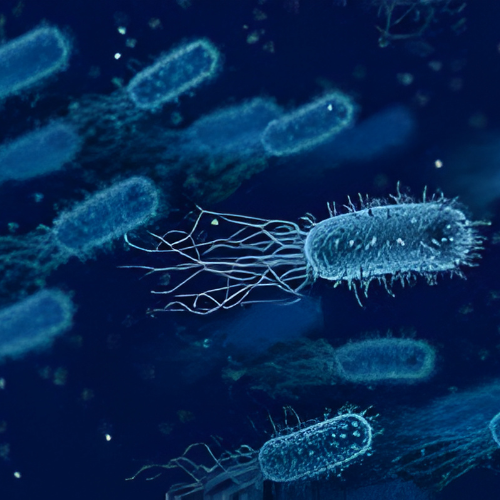
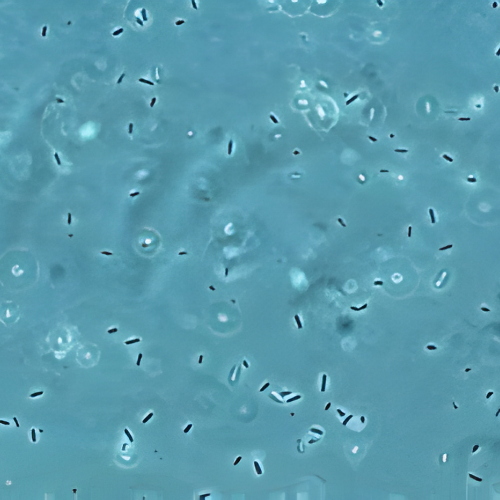
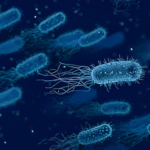
They are important players in wastewater treatment plants, where they get rid of excess ammonia by converting it to nitrite. Nitrosomonas are rod-shaped chemolithoautothrophs with an aerobic metabolism.. The cells grow either in pairs or short chains.
In nitrification Nitrosomonas plays the role of oxidizing ammonia to nitrite, which is then converted to nitrate by other bacteria. Nitrifying bacteria such
as Nitrosomonas play an important role in providing nitrogen to plants and limiting carbon dioxide fixation.
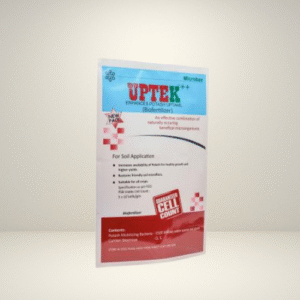
Uptek® – Potash Mobilizing Bacteria
Uptek® is a bio-formulation containing potash-mobilizing bacteria that release unavailable potassium from soil particles. This enhances crop resistance, water regulation, and overall growth. Regular application leads to improved yield, better fruit formation, and enhanced soil microbial activity — ensuring optimal nutrient balance and sustainable soil productivity.
Bacillus pumilus
Bacillus pumilus is a rod-shaped, Gram-positive bacterium.It has antibacterial and antifungal activity.It inhibits disease transmission in patients with acute non-typhoid Salmonella gastroenteritis.